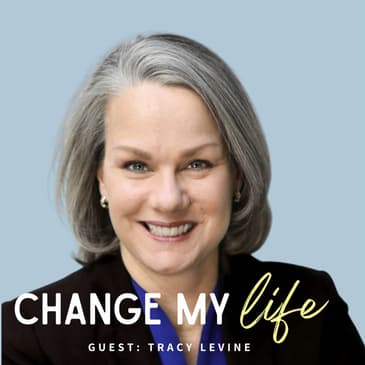

May is Mental Health Awareness month! I definitely didn't want to conclude this month without an episode covering this very important matter. Please join me and Mental Health Professional Tracy Levine as we cover...
- The warning signs of someone who is suicidal
- The importance of engaging in self-care and self-help
- The stigmas attached to mental illness
- Mental Health Resources and much more!
This episode is packed with vital information and resources for you. Whether you are working in a church ministry, secular workplace , or dealing with family members. I guarantee you will be enlightened by this one!
I hope you enjoy 🫶🏽
-MJ
RESOURCES:
988 Life Line
Living Rooms
Let's Connect!
Check out our website HERE
We appreciate your support ❤️
Subscribe & follow us on ➡️ social media
ABOUT THE GUEST:
Tracy Levine is a Licensed Clinical Social Worker who joined NRCI in June, 2021 with over 30 years of experience in behavioral health and direct services. Tracy earned both a bachelor’s degree and her Master of Social Work from the University of Michigan. She also has a certificate in Non-Profit Executive Leadership.
Tracy is a skilled educator, trainer and presenter and an adept advocate for the coordination and implementation of trauma-informed community-based programming, fostering inclusivity, and meeting the needs of the under resourced. Tracy is the Board President of Mental Health America of the Northern Suburbs (MHANS).
Her passion for service and dedication to improving the lives of others is proven through years of leading programs focused on building resilience, strengthening family relationships, and supporting children, families, and emerging adults.
Thanks For Listening 🎧❤️
[00:00:01] Coming up on the Change My Life podcast
[00:00:04] The desire to end one's life is not about a wish to die
[00:00:12] Our survival instinct is very very strong
[00:00:15] Our fear of death is very strong
[00:00:18] And so when someone gets the point where they feel like suicide is their only option
[00:00:24] It's because they don't want to live like this anymore
[00:00:27] It's not because they want to die
[00:00:30] But if I don't want to live like this, what's the alternative?
[00:00:36] Hey everyone, this is MJ. Thank you for joining me once again.
[00:00:42] I hope you are having an incredible day today.
[00:00:45] I just want to take this time to say thank you to all of our listeners and subscribers
[00:00:49] And those of you who are new to the Change My Life family, welcome!
[00:00:53] I hope that you would subscribe. There will be many inspirational episodes that will be coming your way
[00:00:57] And don't forget you can stay connected with us on social media
[00:01:01] We're on Facebook as well as Instagram at Change My Life podcast.
[00:01:04] So thanks again for your love and support.
[00:01:07] Okay, I am super excited about today's episode and my very special guest.
[00:01:11] I met her this year, earlier this year because I was taking one of her classes
[00:01:16] She was teaching a course on mental health and I learned so much
[00:01:21] And after the class I ran up to her and I said,
[00:01:24] You have to be on the podcast because I believe this audience will gain so much from this knowledge that you have
[00:01:31] And she agreed to be on and I am so excited
[00:01:34] And we're going to learn so much from her today. None other than the lovely Miss Tracy Levine.
[00:01:41] Thank you for being here today.
[00:01:43] Well, thank you for inviting me.
[00:01:45] Yes, yes, yes. Since May is Mental Health Awareness Month
[00:01:49] I think it's just fate that we got together right at Mental Health Awareness Month
[00:01:54] And I think that this episode is really going to be good information for you.
[00:02:00] So make sure you share it with someone.
[00:02:02] Okay, let's dive right in Miss Tracy.
[00:02:06] So can you tell our listeners real quick how did she even get started in this kind of work?
[00:02:11] So my background is predominantly in child and family services.
[00:02:15] I have my master's in social work.
[00:02:17] I am a licensed clinical social worker here in Illinois
[00:02:19] And when I started my career it was as a therapist and a foster care agency
[00:02:25] And over the years I did pretty much everything there was to do in foster care except be a foster parent myself
[00:02:33] That was where my family drew the line. They felt like I was spending enough time
[00:02:37] Working with children and families outside of the home
[00:02:41] I went through progressive leadership roles, program manager, director, vice president, COO
[00:02:50] And ultimately found myself in a position about three years ago where I was open to the next opportunity
[00:02:58] I was already an assistant professor here at the Chicago School
[00:03:01] And was invited to apply for this position
[00:03:04] I am currently the executive director of the Naomi Ruth Cohen Institute for mental health education at the Chicago School
[00:03:12] And again this is the first time I have worked outside of direct service
[00:03:18] I've had colleagues joke that I'm semi-retired because I'm no longer on call 24-7
[00:03:24] I get to pretty much manage a regular work schedule instead of that 24-7 high crisis kind of environment
[00:03:32] And that's how I got into this when I started here
[00:03:37] I certainly have used my clinical background to inform the classes that I teach
[00:03:42] But the mission of the organization really spoke to me
[00:03:47] The institute was started back in 2000 as a charitable family foundation after Naomi Ruth Cohen died by suicide
[00:03:54] Having lived with a diagnosis of bipolar disorder
[00:03:57] And her parents made it their mission to form an organization that would help reduce stigma associated with mental illness and suicide
[00:04:07] That foundation joined with the Chicago School in 2008 to form the current institute
[00:04:12] And I am one of the community facing arms of the school
[00:04:17] While the school is training the next generation of professionals
[00:04:21] I am in the community creating that bridge
[00:04:23] We know that about 50% of the U.S. lives in a place where there is a mental health services shortfall
[00:04:30] And so being able to provide training and support in the community that gives individuals such as yourself MJ
[00:04:37] The language, the knowledge, the skills to be able to talk about mental health
[00:04:42] To be able to talk about stigma, to be able to talk about suicide
[00:04:47] In a way that is more informed and more comfortable
[00:04:50] And in your case specifically, right? I want to share this information out
[00:04:56] And so having that impact is really meaningful to me as well
[00:05:01] Wow, that's really awesome. That's really awesome
[00:05:03] Okay, so you all heard that. So let's dive into this
[00:05:07] Can you please clarify for our listeners what is mental illness? What is it?
[00:05:12] It is a mental, emotional or behavioral disorder
[00:05:18] That disrupts functioning in our daily activities such as work, school, our relationships
[00:05:24] It's a diagnosable medical condition and that's something really important for people to keep in mind
[00:05:31] Is that we want to think about the idea of parity or balance or sameness between mental health and our physical health
[00:05:37] And mental illnesses are diagnosable just like a physical illness such as diabetes or cancer
[00:05:45] They're going to be diagnosed based on specific criteria
[00:05:51] And then there may be evidence-based treatment protocols for treating those mental illnesses or mental disorders
[00:05:59] Which may or may not include medication
[00:06:02] Wow, okay. Very interesting
[00:06:04] So what are some of the ways that mental health challenges affect a person in their thoughts, their emotions, and their behaviors?
[00:06:16] What are some of the ways?
[00:06:18] It's really the impact in how we think, how we feel, how we behave on a day-to-day basis in these different environments
[00:06:26] It's important to be aware if someone is struggling in only one environment
[00:06:31] In which case we can look at what's happening in that environment
[00:06:34] Is there something in the work environment that's creating additional stress or pressures, discrimination perhaps
[00:06:41] Something that might make it very difficult
[00:06:44] Versus this person is struggling at work, at home, in the community
[00:06:50] No matter where they are, they're having a difficult time
[00:06:53] And that might indicate that there is more of a mental health challenge at present than a specific environmental factor or influence
[00:07:04] We know that all behavior has meaning and we're all doing the best that we can
[00:07:09] Nobody wants to struggle
[00:07:12] And I think, and I know this is something I say in my trainings, right?
[00:07:16] All behavior has meaning
[00:07:17] Underneath that behavior are thoughts, feelings, perspectives
[00:07:21] We may not be able to see them
[00:07:23] We may not understand them
[00:07:25] We may not even know to ask about them
[00:07:29] And so looking at the idea of does somebody need help?
[00:07:34] What are we noticing in any changes with the way they're behaving, with the things that they're doing or not doing
[00:07:42] And try to stay away from phrases like well that's just attention seeking behavior
[00:07:47] Especially with our teenagers, our kids, those populations tend to get a lot of, oh that's just attention seeking behavior
[00:07:55] And we really need to reframe that from attention seeking to attention needing support seeking
[00:08:03] And I'm going to repeat that, attention needing support seeking
[00:08:08] People generally don't threaten the worst possible things unless they feel like nobody's been listening
[00:08:15] And they get to that point where they're really making a cry for help
[00:08:21] And it's not attention seeking
[00:08:23] Well, well that's deep
[00:08:26] And I heard you say something in the class that really made me think
[00:08:30] You know how we say oh they're just acting so bipolar today
[00:08:33] That you were saying we shouldn't use that kind of language because it really is serious
[00:08:39] Absolutely and there's a couple of reasons for that
[00:08:42] One is we don't know what we don't know
[00:08:43] And so we don't know if a person that we're speaking to directly or a person that might be present when we're having a conversation
[00:08:53] Is someone with lived experience, someone who either themselves has a mental health diagnosis
[00:08:58] Or has someone they care about living with a mental health diagnosis
[00:09:02] And so when we are flippant or just casually say something like oh the weather's bipolar
[00:09:09] First of all the weather can't be bipolar
[00:09:10] I know sometimes we feel the inconsistency in the weather
[00:09:15] But it can't have a mental health diagnosis
[00:09:18] And if somebody overhears that who is living with that disorder
[00:09:24] That could have some kind of a meaning for them of being minimized, being disregarded
[00:09:30] And we don't want to do that
[00:09:32] Other piece of that is the stigmatizing language right where we talk about stigma associated with mental health
[00:09:40] And mental illness and challenges
[00:09:43] Can you go into that just a little bit? The stigma?
[00:09:45] Sure, so stigma is any kind of negative association with something
[00:09:50] And there is a lot of stigma even today still around mental illness and mental health challenges
[00:09:59] I've heard Patrick Corrigan here in Chicago say that stigma is worse now than it was 50 years ago
[00:10:04] And some of that if not most of it is directly related to our 24-7 news cycle
[00:10:11] The fact that something terrible can happen 14 states away and we're going to know about it immediately
[00:10:18] Generally speaking, some of the terrible things that happened
[00:10:22] We ultimately learned that the perpetrator was struggling with a mental health challenge or a mental illness
[00:10:27] Which then leads to a public perception that people with mental health challenges are dangerous
[00:10:32] Or are capable of these violent horrible crimes
[00:10:37] When in fact research shows about 4% of violent crimes are committed by persons with diagnosed mental illness
[00:10:44] And so when we think about that it's only 4% versus that perception that people with mental illness are dangerous
[00:10:52] They're more likely to come to harm or to harm themselves than they are to be the perpetrator of harm
[00:10:58] Well, okay this is really really good information
[00:11:04] So let me ask you this when you were talking about the behaviors and you were talking about the environments
[00:11:12] And how things can be overwhelming for these people
[00:11:15] Can stress lead to mental illness?
[00:11:19] If you're under like tremendous amount of stress is that something that can lead to that?
[00:11:25] Yes, stress as well as trauma
[00:11:30] Having experienced trauma there was the study on adverse childhood experiences that showed that the higher the number of traumas that someone experienced in childhood
[00:11:42] The more likely they were to develop physical issues later in life have other kinds of struggles
[00:11:49] I know we talked in the training about protective factors and risk factors
[00:11:52] And we're learning that protective factors having supports are very important for people to be able to overcome the challenges that they might experience whether in childhood or later in life
[00:12:07] One of the things I didn't mention earlier when we were talking about mental illness is that it can affect anyone
[00:12:14] And in 75% of cases those mental illnesses begin by the age of 24
[00:12:20] In a given year nearly one in five adults experience some form of mental illness and one in five teens will experience a mental health challenge by the time they're 18
[00:12:31] So going back to the question about stress leading to mental illness
[00:12:36] You know all of us can experience stress, anxiety right? Well we feel anxious, we feel nervous, we feel worried
[00:12:43] We're programmed, we're human, we are designed to have fight or flight responses
[00:12:49] What do I need to do in this situation?
[00:12:52] When that transcends to a point of hypervigilance where I am worried all the time
[00:12:59] I am ready to fight or flight all the time
[00:13:03] Now we're crossing over into what's potentially an anxiety disorder
[00:13:07] Anyone might experience sadness for a day or two, we experience grief, we experience loss
[00:13:14] We may experience the anniversary of a grief or loss and that can then trigger a memory, a reminder
[00:13:21] Take us back and some people are familiar with the stages of grief and that it's not linear
[00:13:28] We can go back and forth and we can get to acceptance and then something can happen where we go right back into those other feelings
[00:13:35] So with depression, same kind of thing as what I mentioned with anxiety right? Might feel sad
[00:13:43] When we start to feel this way most of the day, every day for at least two weeks
[00:13:50] We've now crossed the line into a potential depressive disorder
[00:13:54] And so being aware of those kinds of things, being aware of the people that we care about
[00:13:59] We tend not to notice things as much when we don't want to see them
[00:14:07] Denial is very powerful, I'm sure they're going to be okay
[00:14:11] Oh you'll get through this, you'll be fine
[00:14:13] Instead of saying things like you know tell me more about what's happening with you right now
[00:14:18] I've noticed, I've observed, I'm concerned right? Using eye statements
[00:14:22] Not accusing people saying you seem to be but I've noticed this about you or I'm feeling like you're not as engaged
[00:14:35] Or I haven't seen you around as much, being you know sharing that in a caring way
[00:14:41] Versus sort of that negative you should or you shouldn't be doing certain things
[00:14:46] Wow
[00:14:48] I believe some people will think that stress will just go away on its own
[00:14:54] That you don't have to deal with it and it keeps coming up
[00:14:58] And I know you mentioned in the class, you asked us do we have an anniversary
[00:15:03] Do we go back to that time where maybe we dealt with the trauma or something
[00:15:08] And around that time maybe it was you know what's today may something
[00:15:11] And then all of a sudden you're feeling sad that day or you're feeling stressed that day
[00:15:16] I think people have a misconception that it just goes away
[00:15:21] If I don't deal with it it'll just leave but that's something you have to deal with right stress
[00:15:25] It tends not to just go away by itself
[00:15:28] Now certainly I mean nothing is universal right?
[00:15:31] If I hate my job and my miserable and I quit and I find it something I love
[00:15:37] Maybe my stress goes away, maybe I've solved the problem that way
[00:15:41] And I so appreciate you bringing up that point about anniversary
[00:15:45] Because that is one of my favorite things that I talk about is that you know with adults
[00:15:49] We might remember a specific date if we're feeling out of sorts
[00:15:53] We know we're not okay but we can't identify anything specific that's happened recently
[00:15:58] We can ask ourselves those questions what might have happened around this time in my life
[00:16:04] That was difficult that was traumatic was this about the time we moved
[00:16:07] You know to a new town or I changed schools or
[00:16:12] I was in a car accident or I experienced some kind of horrible thing
[00:16:20] Very interesting so what are some of the best ways that we can actually relieve stress?
[00:16:27] Deal with our stress it's gonna sound really kind of simple in a way but so important
[00:16:35] Okay eat sleep breathe rest right one of the things we talk about in classes
[00:16:45] What are the things that you do to take care of your physical health?
[00:16:48] I eat nutritionally I make sure I get enough sleep I drink water I you know try not to do unhealthy things
[00:16:55] Those are things exercise those are all things that we can do to also help our mental health
[00:17:01] Just sitting and a window with the sun sitting on your streaming on your face for 10 minutes can help improve our mood
[00:17:11] Breathing two minutes of deep focused breathing can help clear the cortisol which is our stress hormone
[00:17:19] And bring us back down to baseline and one of the things I promote is box breathing where you breathe in for the same count
[00:17:27] Hold your breath for the same count breathe out for the same count hold for the same count
[00:17:31] And you repeat that there I remember going to a training years ago where they shared the smokers break right
[00:17:40] That people who quit smoking for their health should still keep taking their smoking break without smoking
[00:17:47] Because just having that separation from their work and going and deep breathing for that period of time
[00:17:56] Was be a benefit when I give the trainings and I'm sure I did this in your class as well
[00:18:04] I warn people in the morning that I am going to issue a lunchtime challenge
[00:18:09] And the lunchtime challenge is you get five minutes to check your email your voicemail your text messages whatever you want to check on your device
[00:18:19] But then to be device free very mindfully for the rest of your lunchtime nourish your body rest your brain and experience what it feels like
[00:18:33] I'm not going to get the numbers exactly right but there's research that shows that when we do that we come back something like 30% more focused 50% more creative
[00:18:45] And that there's actually an organization called the energy project and they've done a lot of research around this that says you know if you're worried about
[00:18:55] If I take a break or if I take a lunch I'm not going to get my work done right I've got to work through lunch I've got to work late
[00:19:01] That those individuals are less likely to complete those tasks in a way that is focused and productive than somebody who takes a break
[00:19:14] And gives themselves at least every 90 minutes just taking a two minute break can help us be more productive and so that can help reduce our stress
[00:19:24] Right if you're the kind of person that needs to rest recharge relax recover reset all those hours by isolating
[00:19:35] There's a difference between choosing to be alone and being lonely and some of us recharge by being alone I need quiet time I need a non stimulating environment
[00:19:49] I just right other people do all of those ours through collecting energy by being with others they want a stimulating environment
[00:20:01] They want music they want interaction with others they want conversation and the joke is in those two people marry each other
[00:20:12] So that's at least I all confess that's true in my house because those but but that's the piece right here people talk about self care all the time
[00:20:24] What do you do for self care what do you do to refuel how do you know and when I ask that question in classes people often come out I'm I'm irritable I'm agitated
[00:20:35] You know I'm not sleeping I can't get anything done because I don't even know where to start right
[00:20:40] For me it's just I sit on the couch and I don't even turn on the TV I don't do anything I'm just sitting there because I literally can't function anymore
[00:20:49] I have to rust and so developing an awareness of what are those things and what are the things that we can do
[00:20:58] And and I think about self care and self help a little bit differently
[00:21:03] Self care to me is things that I can do myself by that that's stereotypical take a bubble bath go for a walk read a book listen to music
[00:21:14] music versus self help I need more than that I need to phone a friend I need to call somebody reach out to somebody call a helpline a warmline
[00:21:28] make a therapy appointment
[00:21:31] Wow
[00:21:33] I mean
[00:21:35] I know somebody listen was probably waiting for you to give this you know this complex thing and all you talked about was self care
[00:21:45] That is a way to relieve stress and I know self care looks different for a lot of people like you stated
[00:21:51] Somebody may want to read a book versus this person that wants to you know maybe go to a concert
[00:21:55] But it's important for whatever your form of self care is to do it because your body needs that to recharge
[00:22:05] And I think people they don't take the time to do that they don't they just go go go go go in your mind
[00:22:13] It is a part of your body it's not separate and so you need to do those things to connect right to realign and those things
[00:22:21] So I know there is positive results when we do that but what are the dangers of not engaging in self care
[00:22:36] What if there's a person out there they just they work themselves that they never do self care there has to be dangers in that right
[00:22:43] Oh absolutely. I mean there is the daily functioning piece right where we become so overwhelmed
[00:22:51] So unable to cope that we do become unable to function
[00:22:57] Wow
[00:22:58] And that will have an impact in our work in our relationships are we circled back to kind of what we were talking about earlier
[00:23:05] The other thing is physically if we don't take care of ourselves when we should
[00:23:11] Our body will start to manifest physical symptoms and you know we when you asked earlier about constructs lead to mental illness
[00:23:23] And we talk about anxiety some physical manifestations that can happen with anxiety panic attacks where that can feel like a heart attack or an asthma attack
[00:23:33] We start experiencing other physical symptoms like stomach aches headaches and one of the elements then you get into chicken in the egg right
[00:23:45] Is the physical condition causing me stress and anxiety or is my stress and anxiety causing me to have physical conditions
[00:23:53] Where insomnia right there may be issues with sleeping or not with eating or not with then can lead to other kinds of things
[00:24:03] The other thing that can happen is people might turn to substances to help alleviate some of those feelings you know especially with legal substances
[00:24:14] But when it starts to be I can't get through the day without having a drink to relax or three or four right I can't
[00:24:23] I'm now drinking several times a day a week now we've moved into a substance use disorder which is also a diagnosable mental disorder
[00:24:33] So many different ways that these kinds of things can lead to more serious issues
[00:24:40] Okay
[00:24:41] So speaking on that we know that suicide is very very serious and unfortunately it's becoming more prevalent with younger people even
[00:24:55] And so I know that that I can't speak on how someone gets there
[00:25:02] But can you talk about some of the warning signs of someone who may be in that mental state where they just want to end it all
[00:25:12] I don't know maybe you can speak on even is that someone who doesn't do any self-care is that someone who never just dealt with their mental state
[00:25:21] Like how do you get to that place
[00:25:23] So the most depression is mostly connected with those who reach a point where they feel so hopeless and truly that there is no other option
[00:25:40] One of the things I always share is that the desire to end one's life is not about a wish to die
[00:25:54] Our survival instinct is very very strong very very strong our fear of death is very strong
[00:26:01] And so when someone gets the point where they feel like suicide is their only option it's because they don't want to live like this anymore
[00:26:11] It's not because they want to die but if I don't want to live like this what's the alternative
[00:26:18] And generally speaking it's a very dark moment in time and if we can be aware of someone who is isolating who seems to be struggling
[00:26:33] You know asked about some of the warning signs we might hear direct or indirect verbal statements
[00:26:41] You know the world would be better off without me you know nobody really cares about me anyway
[00:26:50] It would be better if I wasn't around right those kinds of statements are red flags
[00:26:57] There's of course I do a whole hour and a half training just on suicide prevention where we get into all of that
[00:27:04] There's direct verbal clues indirect verbal clues behavioral clues that's where I talked about isolating somebody who might be giving away prized possessions
[00:27:15] Things that we know they would never part with that's like wait a minute what's happening there
[00:27:21] Even younger people if we're aware that they're being victimized or bullying and I guess that can happen with adults as well certainly
[00:27:28] The changes in presentation behavior people who they're just not around like they used to be hey has anybody heard from MJ in a while
[00:27:41] No I haven't have you hey somebody better check on her right sorry to but those kinds of things I've actually done suicide prevention training for professional psychologists
[00:27:56] And had one of them say how valuable it was because we're providing the again the language the skills the knowledge of how to have these conversations with people that we care about
[00:28:14] When we're sitting in the clinicians chair we have assessment tools we have questions we know we have to ask we have protocols we have supervisors we have you know all kinds of things that we're going to do when we're working with clients
[00:28:26] We have regulations in our personal lives we might miss some of that because we're not looking for it we're not asking about it and so when we're thinking about somebody and we're worried that they might be thinking about suicide
[00:28:43] The best thing to do is to actually ask them outright right and it sounds really scary yeah but I've had suicide survivors in some of my trainings who have said
[00:28:56] I wish somebody had asked me how I was feeling I wish somebody had asked me if I was thinking about suicide because nobody asked I thought nobody cared I thought nobody noticed and so the number one myth and
[00:29:14] I see this bear out in a lot of my trainings around suicide is the fear that you can put the idea into somebody's head and the truth is somebody's either thinking about suicide or they're not
[00:29:29] If they are and you ask them are you thinking about suicide they're likely to respond in one of two ways either no why would you even ask me that what a silly question right
[00:29:44] In which case we can say you know what here's why I asked I've noticed I've observed I'm concerned yeah here's why I asked you that question help me understand what's going on with you how can I help and support you
[00:29:57] Or they may say yeah I've been having some thoughts which case we take that deep breath we deal with that pit in our stomach or that pounding in our chest because it's not the answer we want to hear
[00:30:12] Right but we can still have that same conversation tell me more about what's going on with you help me understand how can I help
[00:30:23] The other thing to remember if we're worried about somebody who's thinking about suicide is we don't ever want to leave them alone
[00:30:30] We want to help get them connected to resources if we're not able to stay or be with them or we're on the phone or word this is a text conversation right who else can we tap in
[00:30:41] Can we do a three-way call there is some new resources available a lot of people still aren't familiar with 988 and if you're listening and you're like 988 what is that
[00:30:54] and you're here in the US look it up learn about 988 in your state it is the mental health equivalent to 911 it is a direct line to the national suicide prevention lifeline
[00:31:08] and that number still exists but who knows what that one eight hundred or one eight eight eight what is this national suicide prevention lifeline
[00:31:16] Well now it's 988 and unlike 911 it doesn't dispatch if you call 911 they will dispatch 988 about 85% of calls are resolved over the phone without their needing to be a dispatch
[00:31:32] Well that was so good this is a faith-based podcast and so some people will think oh you know and I'm not downplaying this at all but they would just pray for them and that's it
[00:31:45] but sometimes people they need to talk and they need to be connected with a professional to really get through that dark period and so we have to do some more
[00:31:54] like he said we should never leave them alone talk to them get them connected so that was really good information
[00:32:01] I think there is absolutely a place for faith for prayer for all of that but in tandem with some of those other supports
[00:32:15] I don't remember exactly the story but it's something like a woman was about to experience she was in a storm area and there was going to be a flood
[00:32:31] and somebody came and warned and said you really should evacuate and she said no the Lord will take care of me
[00:32:38] and then the storms come the waters are raising they're coming and they're like you know what you really should evacuate
[00:32:44] she says no the Lord will take care of me and it kind of gets to the point where now the woman is on the roof of her house
[00:32:51] and she's about to drown and you know it's like she gets to heaven and Lord why didn't you take care of me
[00:32:59] and he said I sent all of these people to get you out and you didn't go so we have to take that in balance the importance of prayer and faith
[00:33:12] in balance with the importance of what's available to us for resources
[00:33:18] exactly very very very good information so you said something in the class and I was I marveled
[00:33:26] I said you said you can recover from mental illness and that's something you don't hear a lot of people think that once you you know you have something like that
[00:33:39] that it's hopeless and there's no help and there's no but you said you can recover so can you speak on that a little bit
[00:33:47] absolutely we always want to think about recovery and resilience and hope all of those things
[00:33:55] and again I'll draw some parallels between mental health and our physical health so you know there are spectrums right there are things if we think about medical conditions
[00:34:08] there are some cancers that are not treatable and recovery is not possible and ultimately that person will pass away
[00:34:18] with mental health there may be those who live with more severe mental illness where the recovery is going to be more difficult
[00:34:27] that and that in spite of medication treatment that individual may still not recover to a point where they can function normally or they may not overcome their mental illness
[00:34:41] to the point where they may die by suicide and and that's some of the language where we talk about you know is moving away from committed suicide
[00:34:51] you know you commit a sin you commit a crime let's keep suicide away from that somebody may die by suicide as a result of their mental illness
[00:35:00] just like somebody may die as a result of their cancer diagnosis on the other hand if we think about something like diabetes
[00:35:11] where yes that can lead to death but for many people living with diabetes if you take your insulin if you're monitoring your diet you monitor your blood sugar levels
[00:35:22] you can live a pretty long life and be relatively healthy we look at some of those mental health conditions somebody who is taking their medication
[00:35:32] who is following their treatment plan can lead healthy lives and self care right self care self help self care self help that's important
[00:35:45] and I hope you guys are taking all of this in Tracy this has been amazing you gave us so much information and I am so happy you agreed to be on this show
[00:35:54] I had to have you on here and I'm telling you this has blessed me so I hope you guys enjoyed this today so my last question for you is
[00:36:04] or would you like to share any resources that may be helpful I know you mentioned the number 988 but are there any other resources that you would like to share with audience concerning mental health
[00:36:16] absolutely so in addition to 988 there's also text line 741741 you can text any home help anything to that number
[00:36:27] SAMHSA has some resources if you google they actually have a number specific for disaster survivors so if you know someone who's experienced a house fire or lost something in a flood in a tornado in a hurricane
[00:36:39] SAMHSA has resources available for people that have gone through that kind of loss of everything in a moment living rooms and you can look up living rooms in your state that are essentially
[00:36:53] drop-in centers for people experiencing mental health challenges mobile crisis response units a lot of communities now have those where they will come to you
[00:37:04] so other ways to find that kind of help look up hotlines and warm lines in your state I know here in Illinois the warm line the difference being a hotline is generally going to be 24-7
[00:37:17] a warm line will have some different kinds of hours but here in Illinois they will even call to check on you if you set that up there is a care line for older adults and those who take care of them
[00:37:29] so the lots of resources that you can look for you can find and then NAMI National Alliance for Mental Illness has a lot of chapters all over the country with great resources support groups
[00:37:44] and just even looking in your community in many places calling 211 you can find information about what might be available in your community
[00:37:55] amazing amazing so you guys heard all of that I hope you take advantage of it and if you know someone that needs this information please share this episode
[00:38:04] I'm just I know they're going to be blessed by this so you have a conference coming up correct
[00:38:08] I do I do so tell us tell us
[00:38:13] I mentioned NAMI Ruth Cohen Institute the first conference was held in 2002 and there's been one every year with the exception of 2020 of course due to the pandemic 2021 was virtual and 2022 we were back on track with our in person
[00:38:30] this year we are gathering on Saturday June 8 in Evanston at the Evanston Township High School we have a full day conference focusing on mental health in the workplace and it's a traditional conference exhibit hall from 10 to 12 we have an expert panel presentation with a moderated Q&A
[00:38:50] and then after lunch we'll have three rounds of breakout sessions in the afternoon and they include things like zoom fatigue setting boundaries understanding neuro adversity ADA and mental disabilities how to request accommodations for that a number of great I think we have a total of 18 different breakout sessions through those three rounds
[00:39:14] we are live streaming our panel from 10 to 12 via zoom we do need people to register if they're interested in that but really looking at what even is the workplace anymore right is it home is it the office is it hybrid
[00:39:28] what does that all look like what are some of our cultural challenges what is the language that we use and so we've got somebody who's talking about some of the neuroscience we have somebody talking about post pandemic trauma that we're bringing with us into our workplaces
[00:39:49] and somebody really going to be talking about language and narrative and so that's our panel and and wherever you are you are able to register and join us via zoom for that certainly if you're in the Chicago land area we hope you'll check us out and it's a very affordable conference $25 for a full day conference
[00:40:08] that includes breakfast and lunch and a networking reception I know and anybody out there who is a mental health professional human resources professional in Illinois educator we're also offering professional development credits or CE use so it's we're really excited about it
[00:40:27] yeah that sounds like that's gonna be awesome can I put that in the show absolutely I'll share the flyer with you have that information in the show notes you guys so if you want to you can register and don't forget you can stay connected with us we're on Facebook as well as Instagram and change my life podcast